As pets enter their senior years, their bodies undergo a series of changes that can influence their nutritional requirements and physical capabilities. Recognizing these shifts is a fundamental step in providing appropriate care. This article from Pawcare Insights explores how diet and exercise routines can be adjusted to support aging animals, focusing on maintaining comfort and quality of life rather than achieving specific outcomes.
The aging process varies among species and breeds, but common physiological changes include reduced metabolic rate, decreased digestive efficiency, and alterations in muscle mass and joint health. These changes suggest that a one-size-fits-all approach to senior pet care is rarely sufficient. Instead, a thoughtful evaluation of each pet’s individual needs, in consultation with a veterinarian, can guide adjustments that align with their current health status.
Understanding Age-Related Changes in Pets
Age-related changes in pets are multifaceted and can affect various body systems. The digestive system may become less efficient at extracting nutrients, leading to a need for more digestible ingredients or adjusted nutrient densities. Meanwhile, the musculoskeletal system often shows signs of wear, with conditions like osteoarthritis becoming more prevalent. These physical changes can influence a pet’s activity level and comfort, which in turn affects their caloric needs.
Metabolic rate typically declines with age, meaning senior pets may require fewer calories to maintain a healthy weight. However, this is not a universal rule; some pets may lose weight due to underlying health issues, requiring a higher caloric intake. Therefore, monitoring body condition and weight regularly is an essential practice. Regular veterinary check-ups can help identify these shifts early and allow for proactive adjustments.
Dietary Adjustments for Senior Pets
Dietary adjustments for senior pets should be based on a thorough assessment of their health, including blood work and physical examination. A veterinarian can provide guidance on specific nutrient modifications, such as adjusting protein levels to support kidney function or adding supplements like omega-3 fatty acids for joint health. It is important to note that these changes are not guaranteed to produce a particular result, but they are part of a comprehensive approach to managing age-related issues.
When considering commercial senior pet foods, look for products that are specifically formulated to meet the needs of aging animals. These foods often contain controlled levels of phosphorus and sodium, which can be beneficial for pets with kidney or heart conditions. Additionally, they may include added fiber to support digestive health. However, the choice of food should be individualized, and any transition should be gradual to allow the pet’s digestive system to adapt.
Hydration becomes increasingly important as pets age, as kidney function may decline. Encouraging water intake through wet food or water fountains can be part of a strategy to support overall health. It is also wise to consider the texture of food; some senior pets may have dental issues that make chewing difficult, so softer food or soaked kibble might be easier to consume.
Exercise Adaptations for Aging Animals
Exercise remains relevant for senior pets, but the type, duration, and intensity should be adapted to their physical capabilities and health conditions. The goal is to maintain mobility and muscle strength without causing undue stress on aging joints. Low-impact activities, such as short walks on soft surfaces or gentle play sessions, can be beneficial. It is crucial to observe the pet’s response and adjust accordingly, as overexertion can lead to discomfort or injury.
Incorporating gentle stretching or range-of-motion exercises may help some pets, but these should be performed under the guidance of a veterinary professional or a certified animal rehabilitation therapist. Additionally, environmental modifications, such as providing ramps or non-slip flooring, can make it easier for pets to move around safely. These adaptations are part of a holistic approach to senior pet wellness.
It is also important to recognize that exercise needs can vary greatly among individual pets. Some may still enjoy longer activities, while others may prefer short, frequent sessions. Paying attention to the pet’s cues and consulting with a veterinarian can help develop an exercise plan that is both safe and enjoyable. Remember that the primary focus is on maintaining quality of life, not on achieving a certain fitness level.
Weight Management and Monitoring
Weight management is a critical aspect of senior pet care, as both obesity and underweight conditions can contribute to health problems. Obesity can exacerbate joint issues and increase the risk of metabolic disorders, while being underweight may indicate underlying disease or inadequate nutrition. Regular weigh-ins and body condition scoring can help track trends and inform dietary adjustments.
If a pet is overweight, a veterinarian may recommend a weight management plan that includes a controlled-calorie diet and increased physical activity. If a pet is underweight, the plan might involve a nutrient-dense diet and perhaps appetite stimulants if needed. In all cases, these plans should be implemented gradually and monitored closely. It is important not to make drastic changes without veterinary supervision.
Common Health Issues and Preventative Care
Senior pets are more susceptible to certain health issues, including arthritis, dental disease, kidney disease, and cognitive dysfunction. Preventative care, such as regular dental cleanings and blood work, can help detect these issues early. Early detection allows for timely management, which may slow the progression of some conditions and improve the pet’s comfort.
Regarding arthritis, anti-inflammatory medications and joint supplements may be part of a management plan, but these should only be used under veterinary guidance. Similarly, cognitive dysfunction syndrome, which manifests as confusion or behavioral changes, may be addressed through environmental enrichment and dietary modifications. It is essential to recognize that these interventions do not guarantee a cure but can support the pet’s well-being.
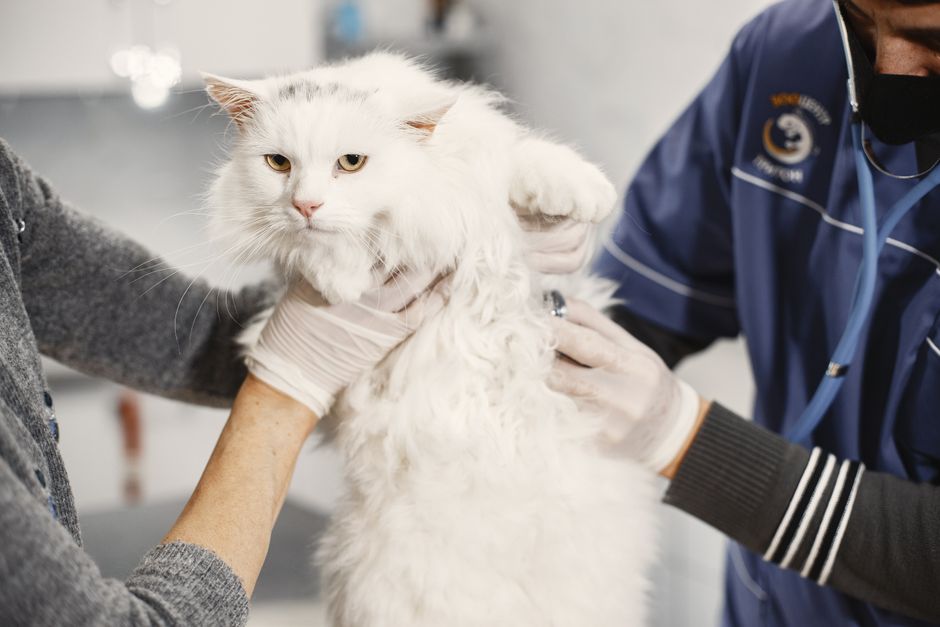
The role of regular veterinary check-ups cannot be overstated. These visits provide an opportunity to discuss any changes in the pet’s behavior, appetite, or activity level. By working closely with a veterinarian, pet owners can make informed decisions about diet and exercise adjustments that align with their pet’s evolving needs.
Practical Tips for Owners
Caring for a senior pet involves a proactive approach that includes regular monitoring and flexibility. Here are some practical tips to consider:
- Weigh your pet monthly and keep a record to notice trends.
- Observe your pet’s eating habits and adjust portion sizes as needed.
- Provide a comfortable, easily accessible sleeping area away from drafts.
- Use ramps or steps to help your pet access furniture or vehicles.
- Keep up with regular veterinary appointments and recommended screenings.
Additionally, be patient and understanding as your pet ages. Changes in behavior or activity levels may be signs of discomfort or health issues. Creating a calm and supportive environment can make a significant difference in their quality of life. Remember, each pet is unique, and adjustments should be made in consultation with a veterinarian.
Adjusting a senior pet’s diet and exercise routine is a dynamic process that requires observation, patience, and collaboration with veterinary professionals.
In summary, senior pet care involves a combination of dietary modifications, adapted exercise routines, and vigilant monitoring. By focusing on the individual pet’s needs and working with a veterinarian, owners can help their aging companions navigate this stage of life with dignity and comfort. The information provided here is intended for educational purposes and should not replace professional veterinary advice.